Introducción
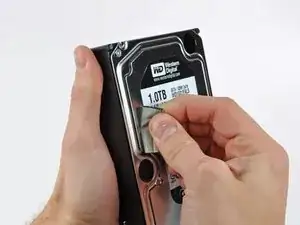
Actualiza tu disco duro para tener un mayor espacio de almacenamiento!


-
-
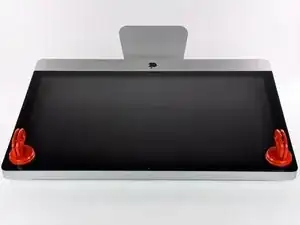
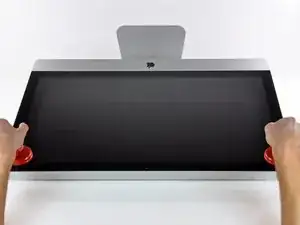
Coloca una ventosa para trabajos pesados cerca de cada una de las dos esquinas superiores del panel de vidrio.
-
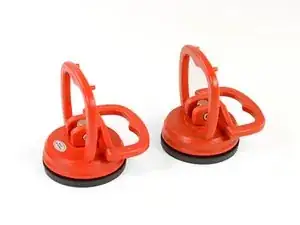
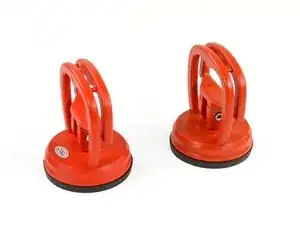
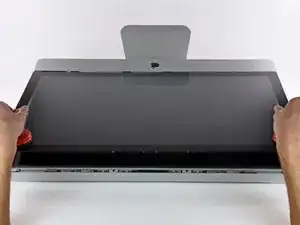
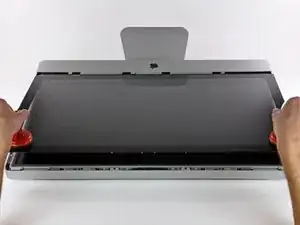
Mientras sujetas ligeramente la ventosa contra el vidrio, levanta la manija móvil hasta que quede paralela con la otra manija (como se indica en la tercera imagen).
-
-
-
Levanta suavemente el panel de vidrio perpendicular a la cara de la pantalla LCD, lo suficiente para despejar las clavijas de montaje de acero unidas a lo largo de la parte inferior del borde superior del panel de vidrio.
-
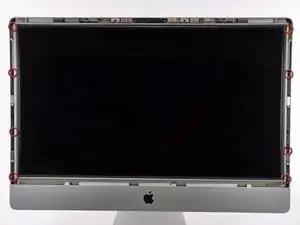
Tira del panel de vidrio desde el borde inferior del iMac y cuidadosamente déjelo a un lado.
-
-
-
Con cuidado, haz reposar el pie del iMac hacia abajo sobre una superficie plana.
-
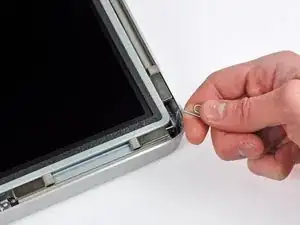
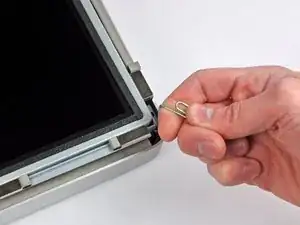
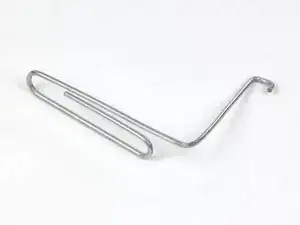
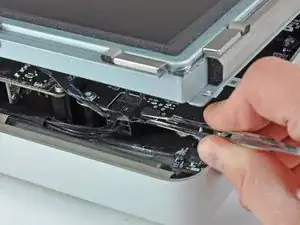
Usa una herramienta fina con forma de gancho para levantar un lado del borde superior de la pantalla por su marco metálico.
-
-
-
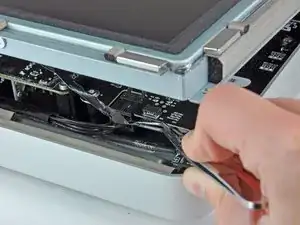
Usa unas pinzas para tirar hacia arriba del cable de cinta fuera de su zócalo en la placa del controlador LED cerca de la esquina superior izquierda de tu iMac.
-
-
-
Gira la pantalla fuera de la carcasa lo suficiente para desconectar el cable de alimentación de la luz trasera de LED de la placa del controlador LED.
-
-
-
Aprieta los dos brazos del conector del cable de datos de la pantalla juntos para desbloquearlo de su zócalo en la placa lógica.
-
Tira del conector del cable de datos de la pantalla fuera de su zócalo en la placa lógica.
-
-
-
Levanta la pantalla lo suficiente para poder desconectar el conector del cable del sensor térmico del LCD de su zócalo en la placa lógica.
-
-
-
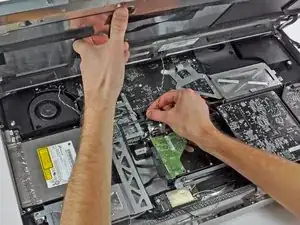
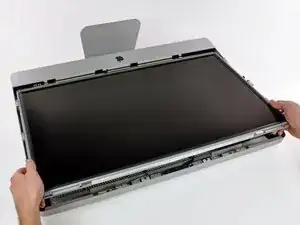
Con cuidado tira de la pantalla hacia el borde superior de tu iMac y sácala de la carcasa exterior.
-
-
-
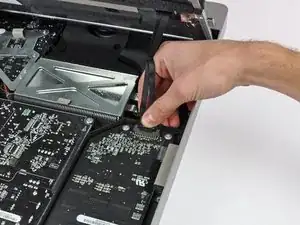
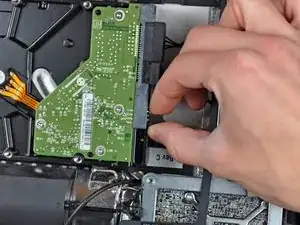
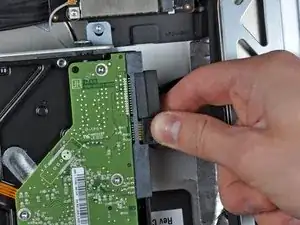
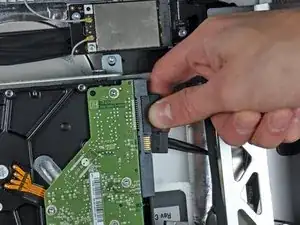
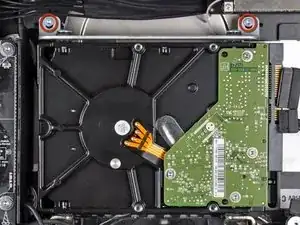
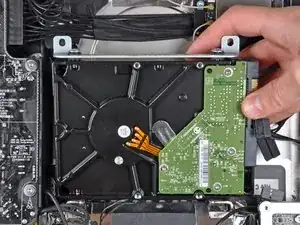
Desconecta los cable del sensor térmico, de la energía SATA y de los datos SATA tirando de los conectores fuera de sus zócalos en el disco duro.
-
-
-
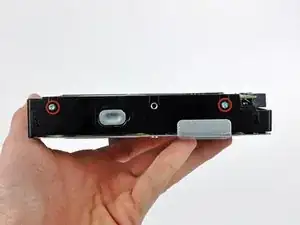
Quita los dos tornillos Torx T10 que sujetan el soporte del disco duro superior a la carcasa exterior.
-
-
-
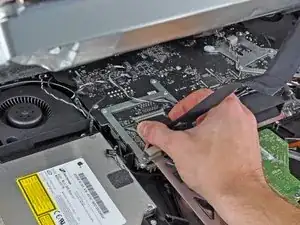
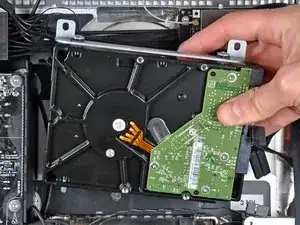
Gira ligeramente el disco duro hacia fuera de la carcasa exterior.
-
Levanta el disco duro de sus dos pines de posición y sácalo de la carcasa exterior.
-
-
-
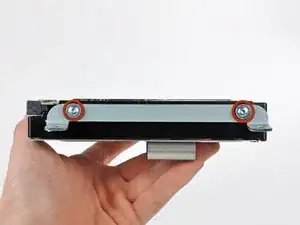
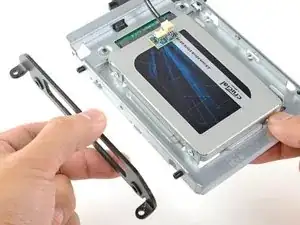
Quita los dos tornillos Torx T8 que sujetan el soporte superior al disco duro.
-
Quita el soporte superior del disco duro.
-
-
-
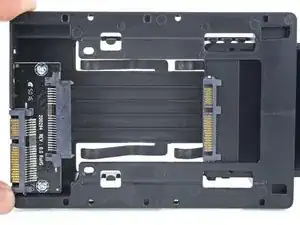
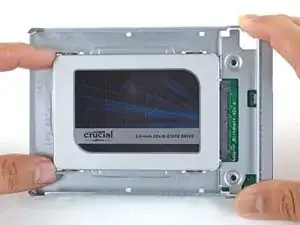
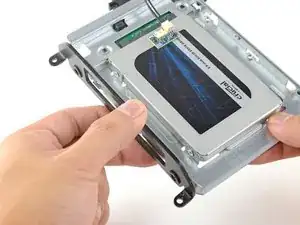
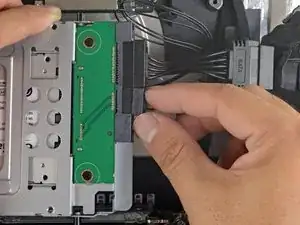
Alinea los conectores de la SSD con las tomas de la caja metálica.
-
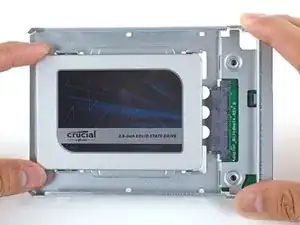
Presiona la unidad contra las tomas de la carcasa hasta que la SSD quede firmemente asentada.
-
-
-
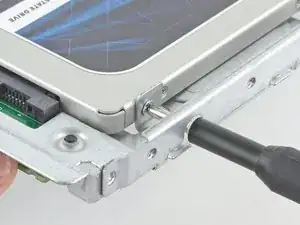
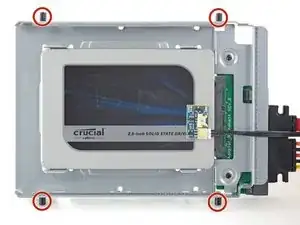
Usa un destornillador Phillips para instalar los cuatro tornillos plateados (dos de cada lado) a lo largo de los bordes del SSD para fijarlo a la caja.
-
-
-
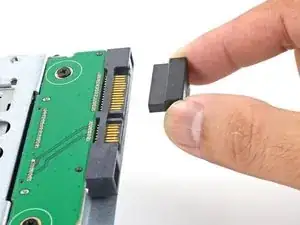
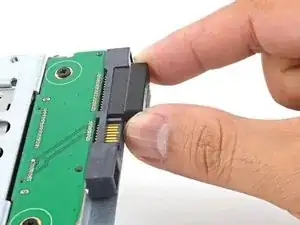
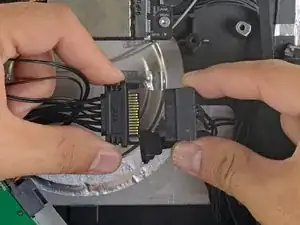
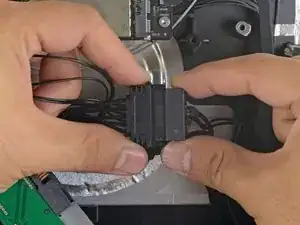
Conecta el cable de alimentación SATA habilitado para sensores incluido en el puerto del recinto.
-
-
-
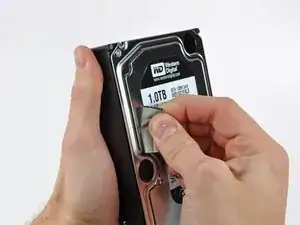
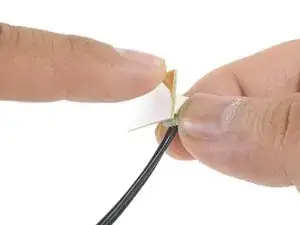
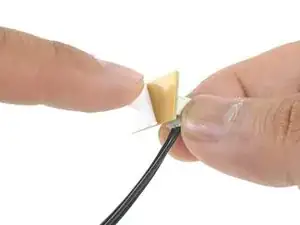
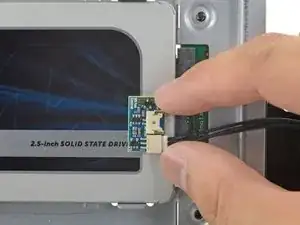
Despega el revestimiento blanco de la parte posterior de la pequeña placa del sensor de temperatura para exponer el adhesivo.
-
Pega la placa del sensor de temperatura a una superficie metálica expuesta del SSD, cerca del conector SATA.
-
Dobla los cables del sensor de temperatura sobrantes para que estén fuera del camino mientras instalas la caja.
-
-
-
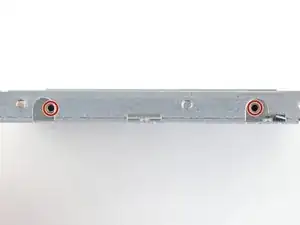
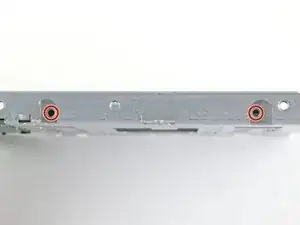
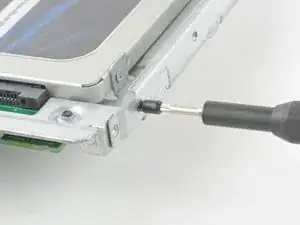
Utiliza un destornillador T8 para instalar las clavijas de montaje del viejo disco duro en los lados del recinto.
-
-
-
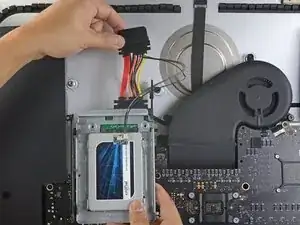
Conecta el cable de alimentación SATA del iMac al otro extremo del nuevo cable SATA habilitado para sensores.
-
-
-
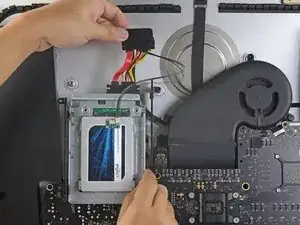
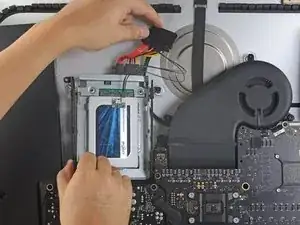
Desliza el recinto del SSD en el espacio que ocupaba anteriormente el disco duro.
-
Encamina los cables SATA para que no interfieran con ningún otro componente.
-
-
-
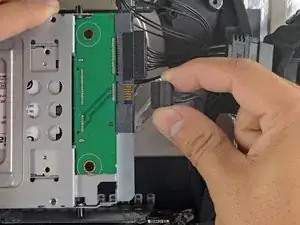
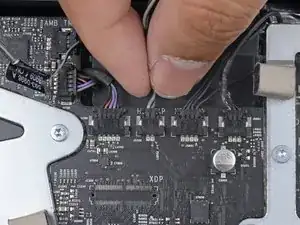
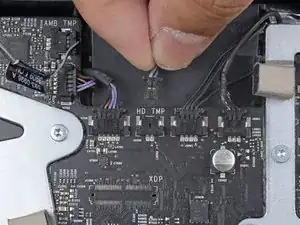
Encuentra el conector de la placa madre etiquetado como HD TMP o HDD TEMP.
-
Si el cable de temperatura anterior sigue conectado a la placa aquí, desconéctalo y retíralo. Ya no lo necesitarás.
-
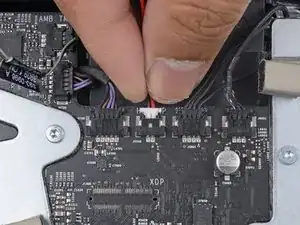
Conecta el cable de dos hilos rojo-negro del sensor de temperatura al enchufe de la placa madre etiquetado como HD TMP o HDD TEMP.
-
Dirige el exceso de cable para que no interfiera con otros componentes.
-
Para volver a montar el ordenador sigue estas instrucciones en sentido contrario

86 comentarios
While putting the system back together, I recommend untaping and removing the vertical sync cable from the back of the led screen. Plug it back into the LED Driver board and then into the back of the screen. Reapply the tape and continue reassembling as normal. It is far easier to plug it back into the screen than into the driver board through such a small gap.
Evan -
Wow! That's a great tip... I looked at doing this and thought it would be a hassle but if you said it is easier than doing it taped than it must be easier. I'm going to do this time. Thaanx
My hd failed and i used this guide to replace it with the same model. The problem i'm stuck with now is installing os x again. The installation starts and goes on for a while, while the hard drive makes a weird clicking noise. Then randomly the installation fails and asks to try again. I've done this ten times now.
I'm not here to rant though, i've some useful tips as well.
Instead of buying suction cups, i used a vacuum cleaner inserted into the back of a plastic container to create more pressure per inch. Also used duct tape on edges of the container to create more friction and not damage the glass. Although later i noticed you could wedge the sharp edge of a knife between the glass and the case and widen the gap with a fingernail, then pull the glass out completely.
A note when you're buying screw drivers... The ones with the interchangeable bits won't reach the screws on the lcd, so be prepared to fiddle with strips of paper and screws falling into the sides!
nav -
Were you able to finally install the osx ?
Kul -
I'm supposing my SSD will go before my HDD, but either way this doesn't look like the inside of my 27" iMac. Help?
You can easily lift the glass panel off the magnets with only your fingernails (or something thin like a credit card or a guitar pick). No need to buy suction cups you will only use once.
Nick Caron -
Yes, you don't need the specific suction cups to remove the display cover - it's held on by magnets, and if you start at the center by the iSight you can work out to the edges and remove it. I had an iPhone screen suction cup around and it helped with balancing the screen when you pull it out fully, but by no ways is it required.
jtowner -
Great guide and pretty straight forward the only thing that took me ages and I didn't manage to undo were the power btn cable (step 28) and the thermal sensor (step 25) Seemed like they were glued on! Very difficult to remove and obviously conscious so I didn't break anything!
Eddie -
Thanks!!! Worked excellently.
I used a plunger (clean first ;-) to get the screen off, and http://exirion.net/ssdfanctrl/ for fan control.
Then, i did not take out the whole display and left it in the hinges on the bottom side and held it up with two small cardboard boxes. Easy enough to disconnect the hdd then.
I replaced with an ssd, put that into a ssd enclosure. Had to drill an extra hole in it to fasten the pins that hold it in place.
Used Carbon Copy Cloner to make an image from the old hdd, with the sad connected via usb. Checked it of it booted via System Preferences > Startup Disk. It worked so the took the imac apart and replaced the disk. Booted, everything was working as always, only faster!
Frank303 -
I'm replacing my optical drive too. what exactly needs to be plugged into the SSD? I don't have the kit - as I am not sure one is required if I buy something like this: http://www.amazon.com/gp/product/B0056OB...
Can you please advise? Can I do it with this piece, or do I need to get the entire bracket kit?
Allen Borza -
My display data cable forks, with a smaller section going up near the camera board. Where it forks, it is attached to the aluminum plate that attaches around the cpu board. I haven't seen any images that look similar, and I'm stumped at how to remove this second section of the cable. 2010 i7 build to order
Awolf -
Agree with the other comments here. Despite buying suction cups, not sure they were necessary as the screen removed very easily. A sat nav suction cup would do the job fine.
Stuart Bloomfield -
I can confirm that it is possible to remove the front glass using fingernails rather than suction cups. It isn’t easy, but if you try you should be able to pry off the glass.
I did this twice: once at the beginning of the procedure and once again at the end, when I realized that a big pice of lint was trapped under the glass.
gordonhamachi -
Don’t use suction cups. totally unnecessary. screen pops off with fingernails.
Kieran Hobbs -
The reason for caution about suction cups tends to be making sure you don’t apply uneven pressure on the edges of the glass and crack it in the process of removal. I do agree however that some pretty small suction cups would do fine. These suction cups can be had at your local princess auto (Harbor freight) for a few bucks and are useful elsewhere as well. if you use your fingernails or other items just try and do it evenly :)
Abirinder Brar -
good duct tape or gaffer tape wrapped around your hands makes an excellent glass removal 'tool'. Even clear packing tape works a charm.
Stu Blair -
A great first step that minimizes that first gust of dust migration when the glass is lifted is to clean the glass, sides *and the back* before lifting the glass, and then lift SLOWLY. Most of that dust is already trapped inside and pulled up as the screen lifts, but with care you can keep it there (or gently vacuum out with a micro vac…).
John -
before starting any of this…there is a device that you can use that comes with the IFixit kit to format and either clone or restore your hard drive to the new drive…it will save you a lot of headaches..it is a SSD enclosure that you can plug into your existing computer …
Tom Richter -
Thanks for the instructions. Before doing this the first time, suggest to everyone, read through at least twice. This is the easiest step, as you’ll soon see. As for removing the glass, USE suction cups, either the ones the sell here, or others. DON’T skimp. Also wear gloves when handling the glass. Don’t take chances.
ECJohansen -
Duct tape works too!
Dani -